

17 Apr What “Haunted” Really Means in Ras Al Khaimah
I’ve been to Ras Al Khaimah more than once, but never really to explore. It was always more of an escape, somewhere to go when I needed to leave, not somewhere I went to see
And when you look up places there, the ones people talk about the most are the “haunted” ones. The kind of stories you don’t fully believe, but you don’t completely dismiss either.
Part of me knew it was probably just folklore. But there’s always that moment where you wonder, what if it isn’t?
So I thought, I won’t know unless I go. And I did.
And it turns out, they are haunted. Just not in the way people say.
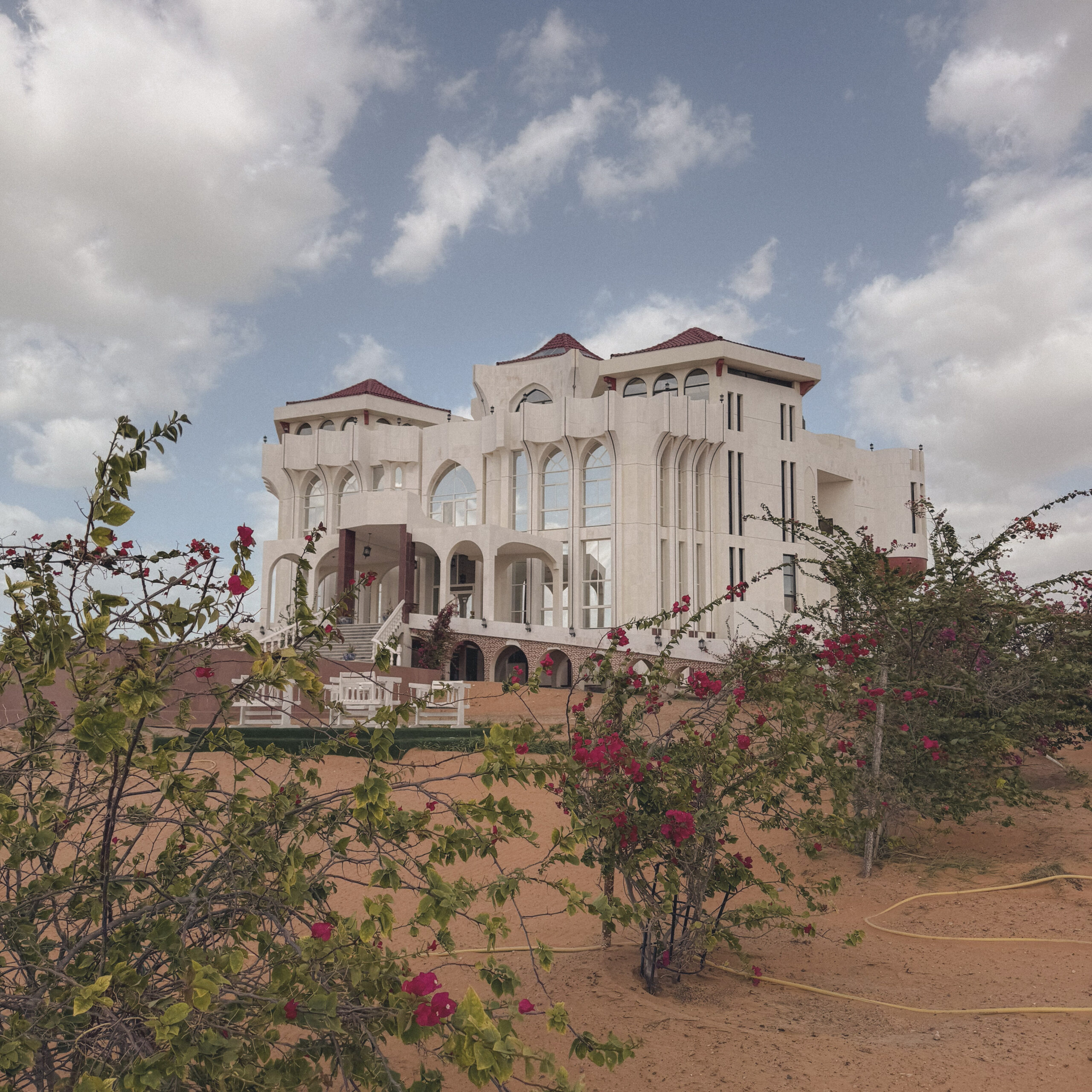
(1) The Haunted Palace
When I reached the place, there was no other car in the parking. The silence was immediate. I walked toward the main gate and found a small window with a sign that read, “Buy tickets from here.”
A dignified, fairly old man rolled the window open and greeted me with a calm “Assalamu Alaikum.”
“Wa Alaikum Al Salam,” I replied, almost too cheerfully for how empty the place felt. “May I get a ticket?”
“Sure,” he said.
The exchange was simple. I paid, took the ticket, and just as I was about to move, he added, very casually, “Just in case jinn act out, or you feel like they are touching you, make sure you run immediately to the rooftop, because they won’t allow you to exit from the palace door.”
I froze.
I looked at him, waiting for something to break the sentence apart, but nothing came.
“At the rooftop you’ll find umbrellas,” he continued. “Just pick anyone and jump immediately.”
For some reason, and I don’t know why, my mind didn’t question the logic. It went somewhere else entirely, to a scene of colorful umbrellas where the most urgent question in my head was “which color I would pick”, not “would I survive?”
“There are ambulances,” he added with a small shrug, “just in case.”
Something inside me split in two. One part said, don’t back down. He shouldn’t think you’re a coward. The other part is how contradictory it would be not to follow what I’ve been teaching my students: “NEVER make any decision to protect your image.”
“I thought it’s only folklore,” I finally managed to say.
He smiled.
“Yes, it is.” He paused, just enough. “I was just kidding.”
The Statues
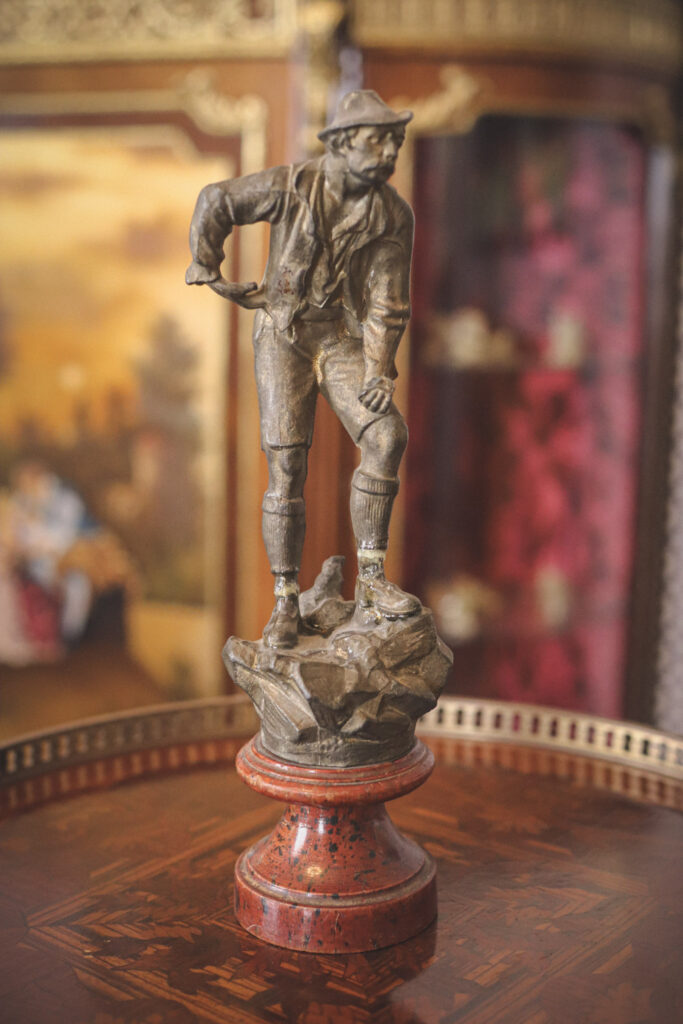
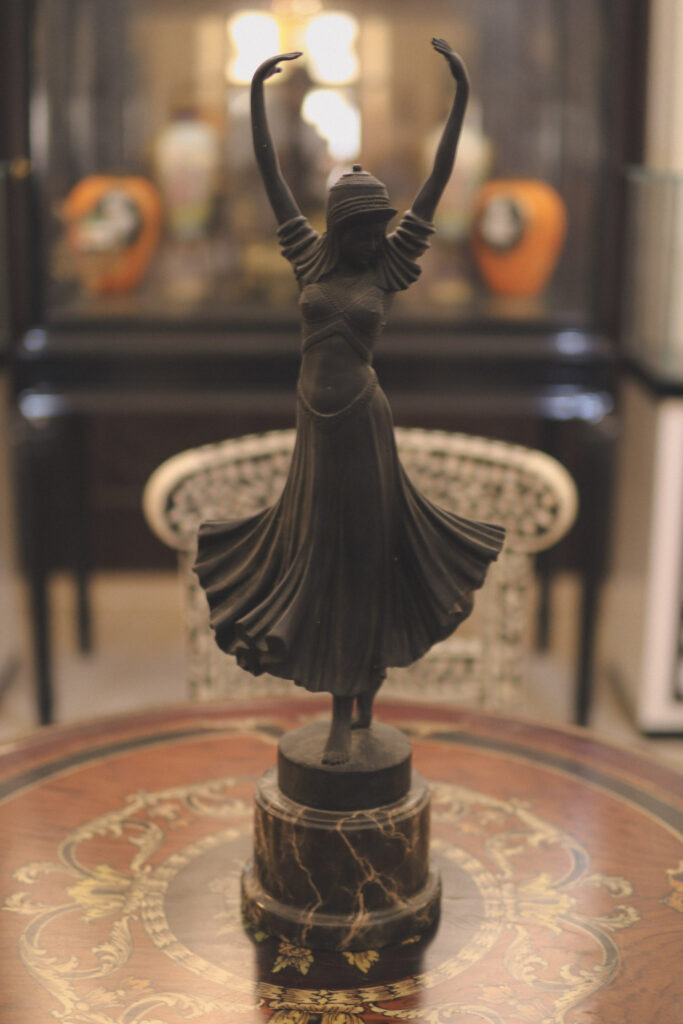
The place is full of statues. The ones that stood out the most, as far as I remember, looked Indian, not because there were more of them, but because they were placed in a room within a room, almost like they were gazing at you from the darker space into the lit one.
The rest were scattered pieces I couldn’t trace back to a single origin, but together they felt connected, not by their origin, but by the person who gathered them.
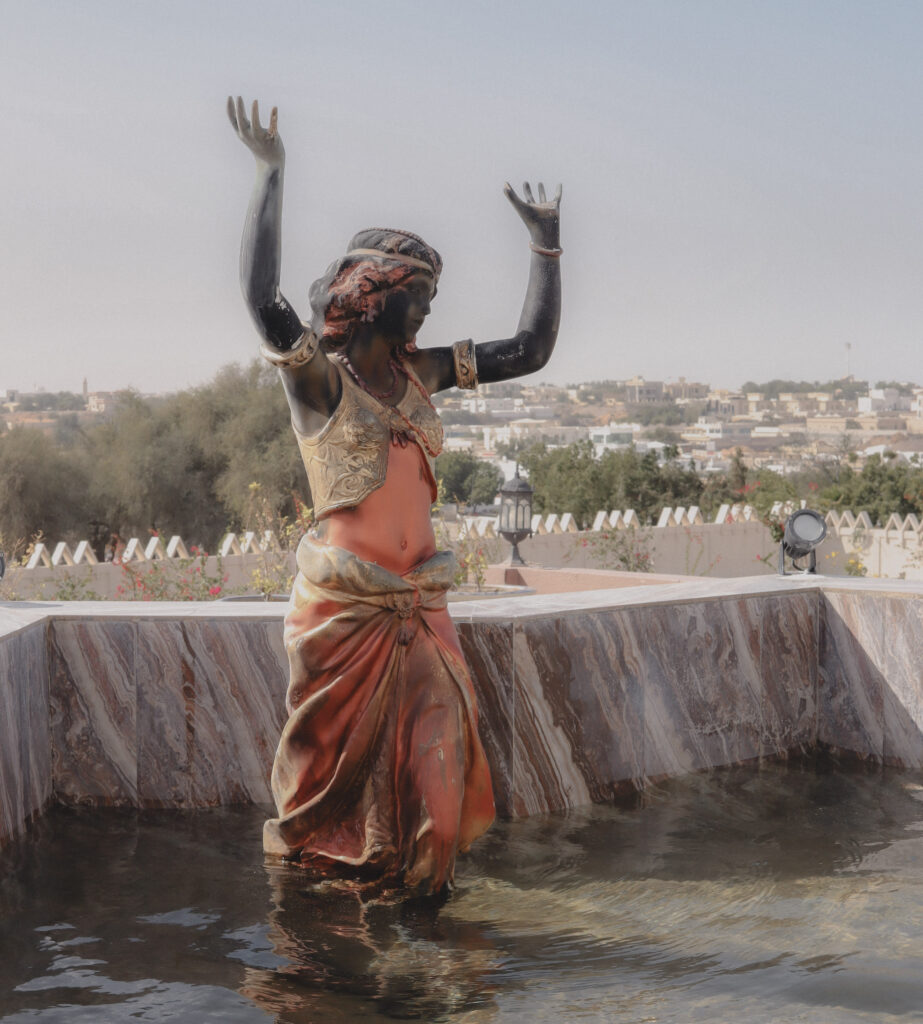
The largest of them was a woman standing in a fountain at the entrance of the villa, her arms raised above her head, wearing a draped, midriff-baring outfit with a flowing skirt. I couldn’t tell if she was dancing or if she was once holding something that is now missing. For some reason, that detail kept pulling my attention, like something unseen pulling at my shirt.
Rooms I Couldn’t Capture
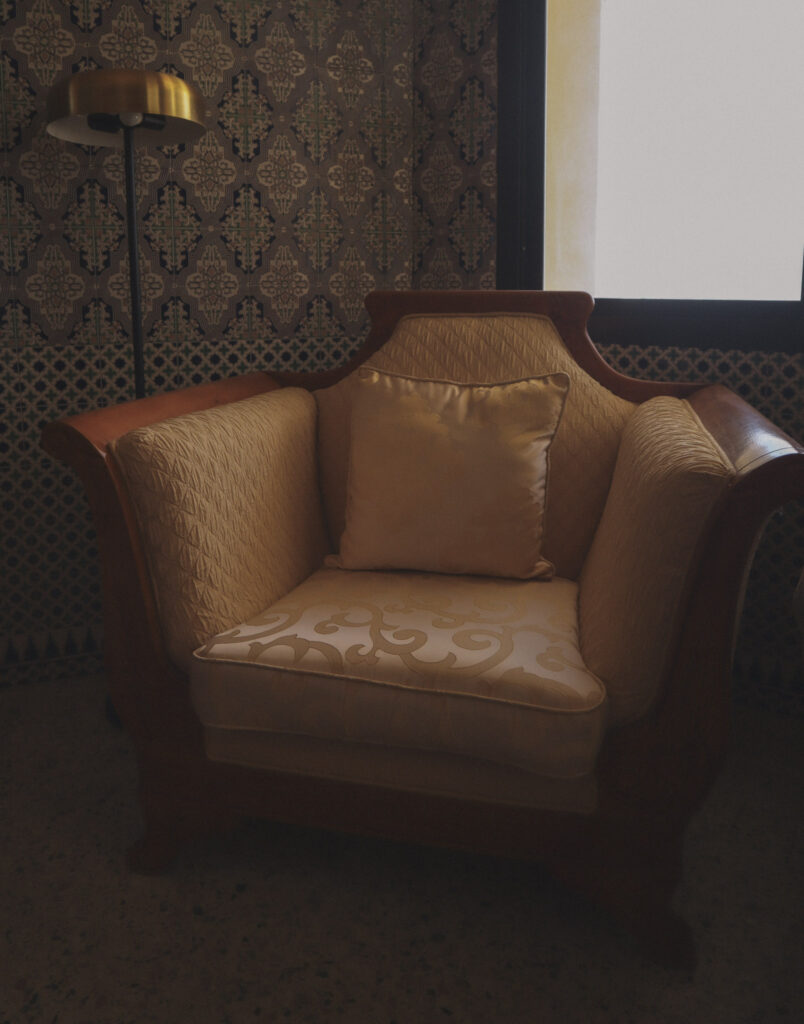
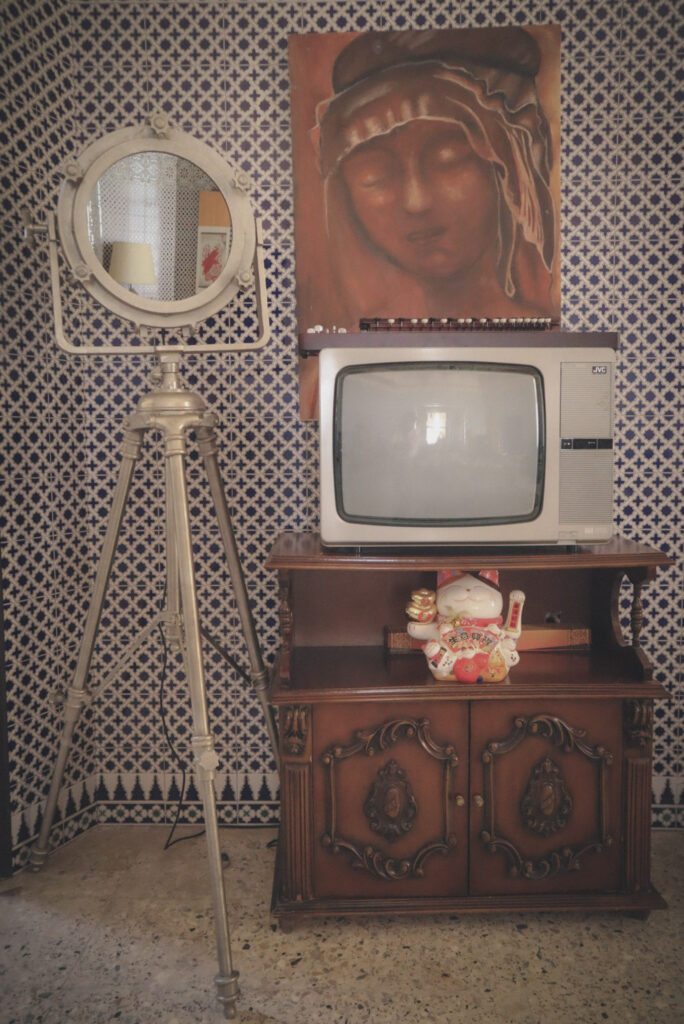
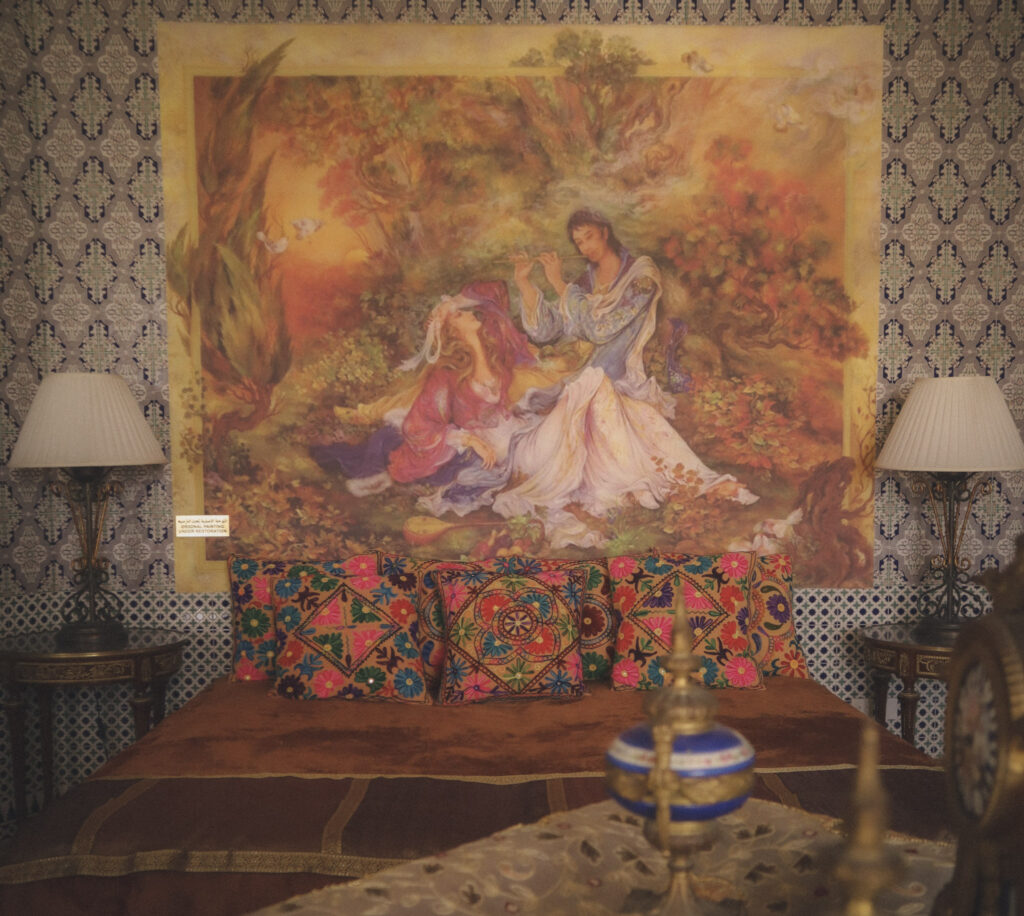
Honestly, I couldn’t take a single good picture that captured an entire room with its furniture. I won’t pretend it’s not on me, I’m not a great photographer yet, and that’s part of it. But also, the rooms were so saturated that every time I tried to frame them, they turned messy. And that’s not how they felt in real life. In real life, that saturation felt rich, like you were looking at decades of taste layered on top of each other, sultanic, imperial, but still very much Emirati. It’s hard to capture the idea, even in words, let alone in a photograph.
But there were corners that made more sense on their own. Maybe my brain, trained by everything being broken into frames and posts, just couldn’t take it all in at once.
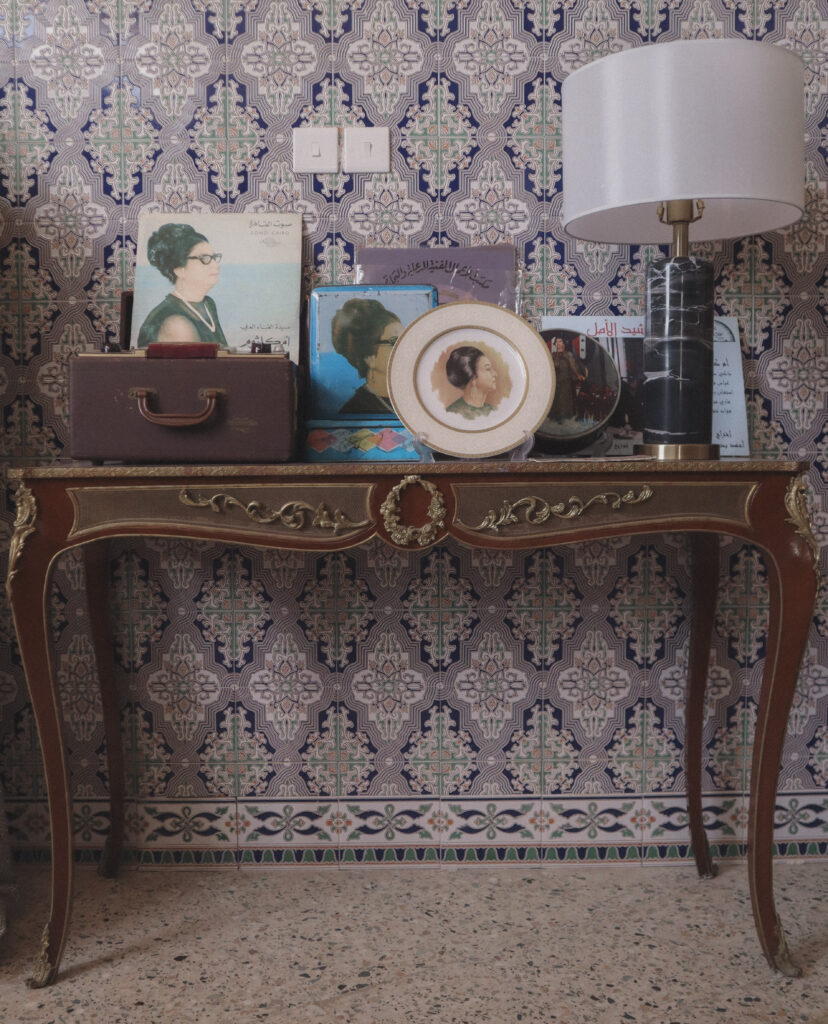
One of them was a corner of a console table dedicated to Umm Kulthum. If I use this image in the historical thinking class, I’d come up with a theory that “This person was not just a fan, he grew up with Umm Kulthum.” My primary evidence would be that these are not just random vinyl records; there’s a decorative plate with her portrait on it, and a whole console table dedicated to her. I’d also guess that he must have attended her concert in Abu Dhabi in 1971.
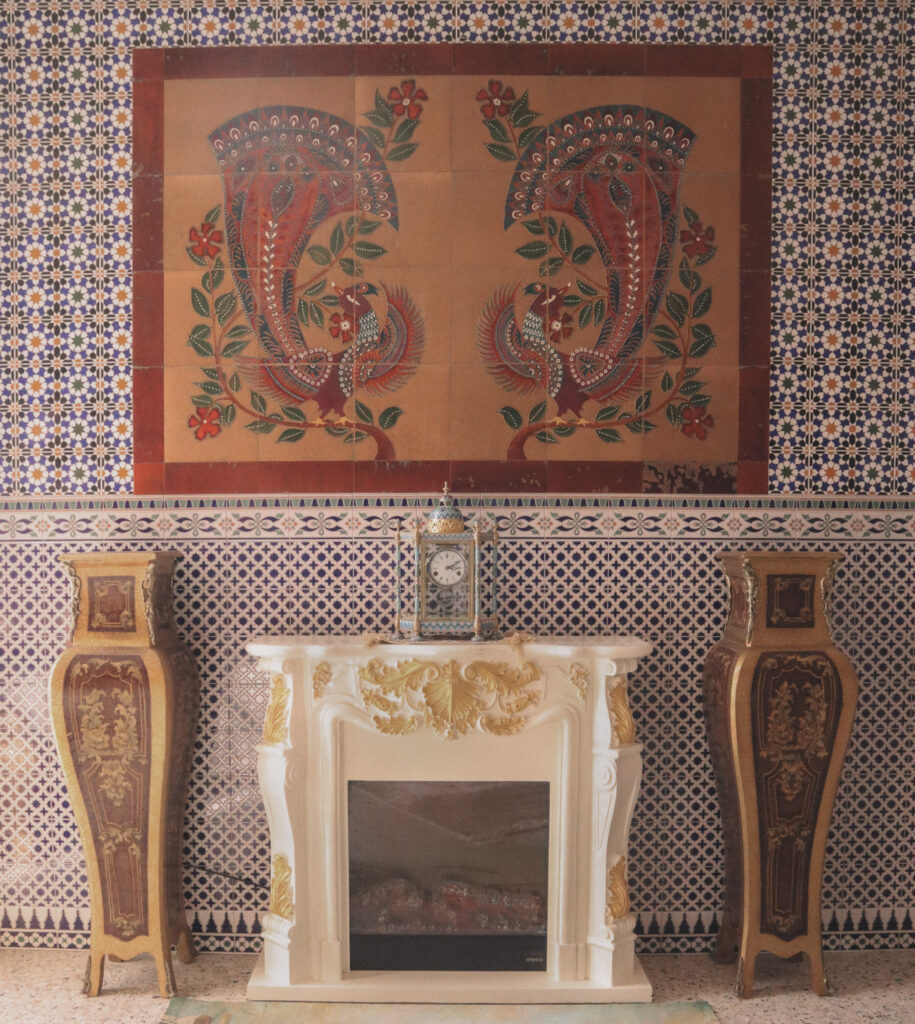
Another corner was the fireplace. Which, in the UAE, is already a strange choice. It gets cold, but not fireplace cold. Still, someone built it anyway, and dressed it with tiles and details that felt Arabic, maybe Moroccan, something collected rather than copied. It didn’t feel random. It felt like someone had seen things, traveled, picked pieces carefully, and knew how to bring them together into something that made sense.
The Rooftop
The rooftop itself wasn’t really built with solid walls. It felt more like an extension, something added later, with lighter materials, almost like those aluminum and glass structures people build on top of houses.
The wind was strong that day. You could hear it passing through the gaps, making that long “whooo” sound. And for a second, I stopped knowing what was a joke and what wasn’t. I found myself thinking, What if those were actually ghosts. What if the gatekeeper wasn’t joking. What if he wasn’t even real.
So I started scanning for an umbrella, just to settle the questions in my head.
And then I got drawn in.
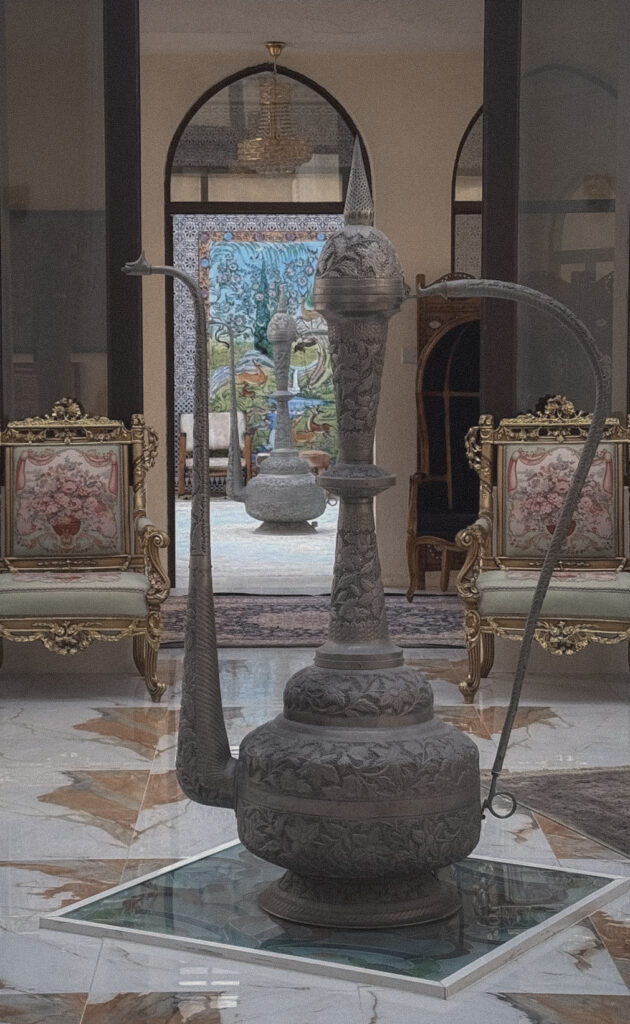
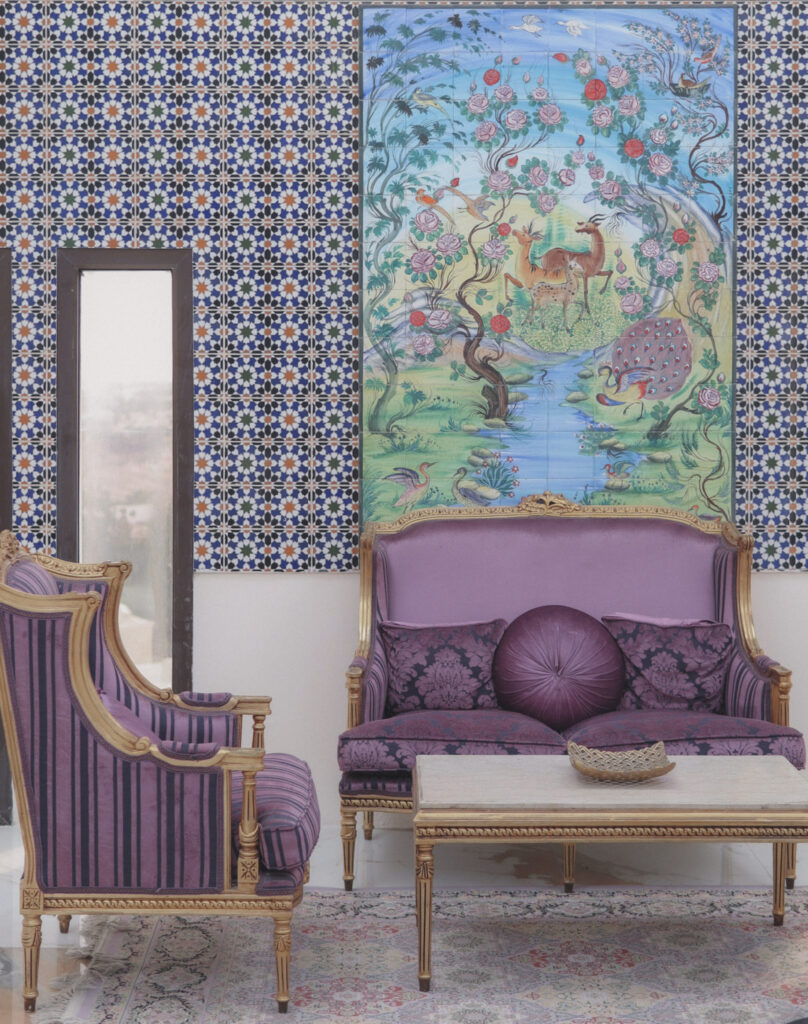
The rooftop was bright, fully exposed to the sun. It was furnished carefully with metal vessels placed like centerpieces, corners with golden and purple sofas. and many other pieces from different cultures, different places, all brought together, and somehow nothing felt out of place.
I was still standing there, technically looking for umbrellas, not for a way out, but more out of curiosity about what colors the owner would have chosen if they existed, and from which culture.
I left the place untouched by any spirits, but touched by its beauty, and by whatever it was that made it come together in the first place. Because more than the furniture, the statues, or even the colors, I kept thinking about the real souls behind everything there, the souls that once existed in people of flesh and blood. Not in the way folklore describes, not something you can see or touch, but something that still exists in what they created, in what inspired them to create it, and in the very choice of bringing these pieces together in one place.
(2) Al Jazeera Al Hamra
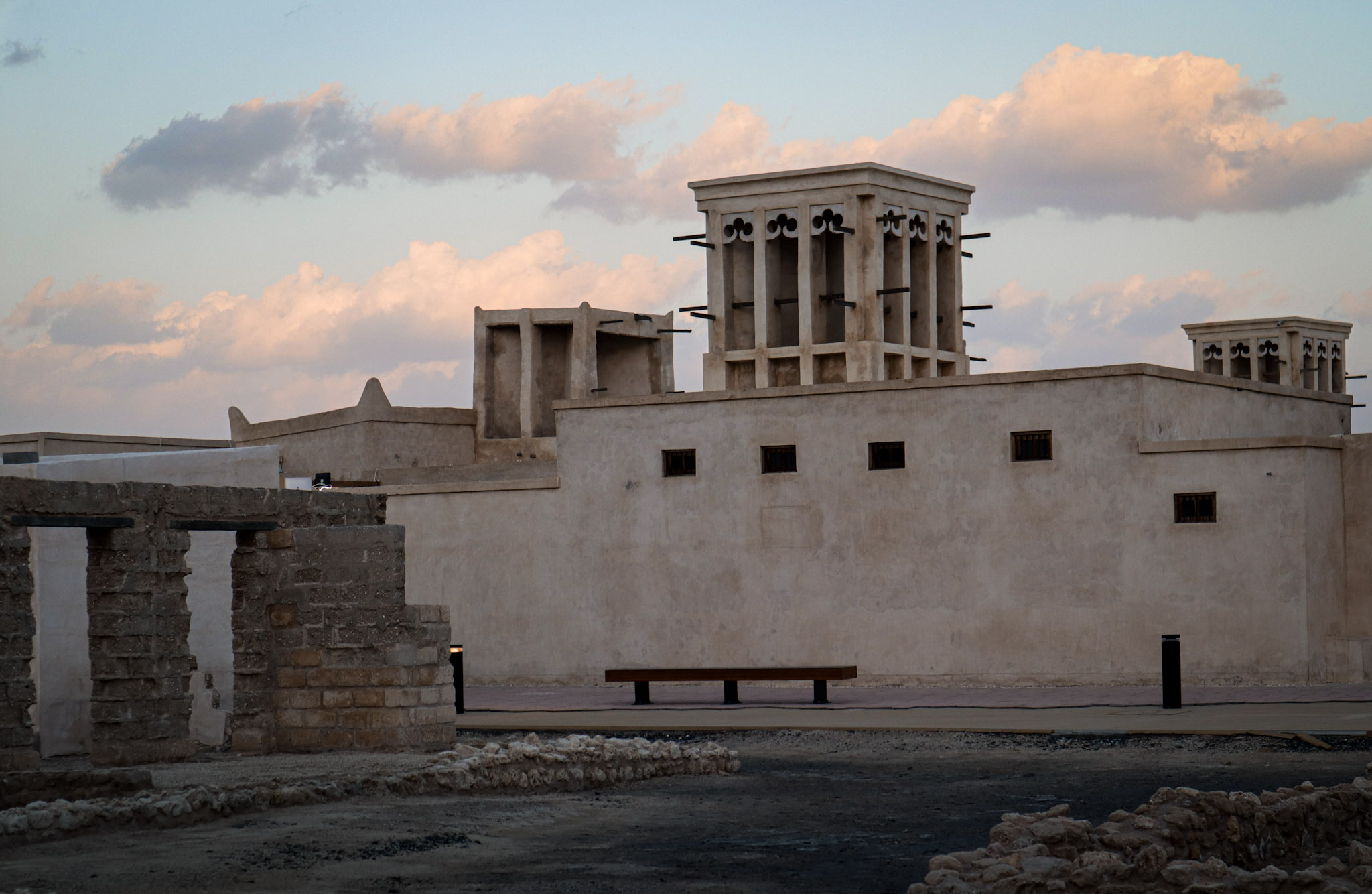
When I went to Al Jazeera Al Hamra, I had heard stories about jinn and spirits, and before going, I assumed it was all folklore. But somehow, the haunted palace joke stuck with me.
When I got there, it wasn’t what I expected. The place felt cared for, almost protected, like someone had made sure it would be remembered. And, there were spirits you could feel as soon as you make it there, but not the datk ones, more like the memory of the people who once lived there with an intention to keep their story alive.
It didn’t look exactly Hamra, or red. I mean, it did to some extent, but it felt Hamra in a different way, like the kind of warmth you notice more on colder days.
Signs Of Life and Leaving
Still, something about the place felt abandoned, despite the effort. It was just me, one Emirati family moving around, and two sellers inside the only open shop in the small market.
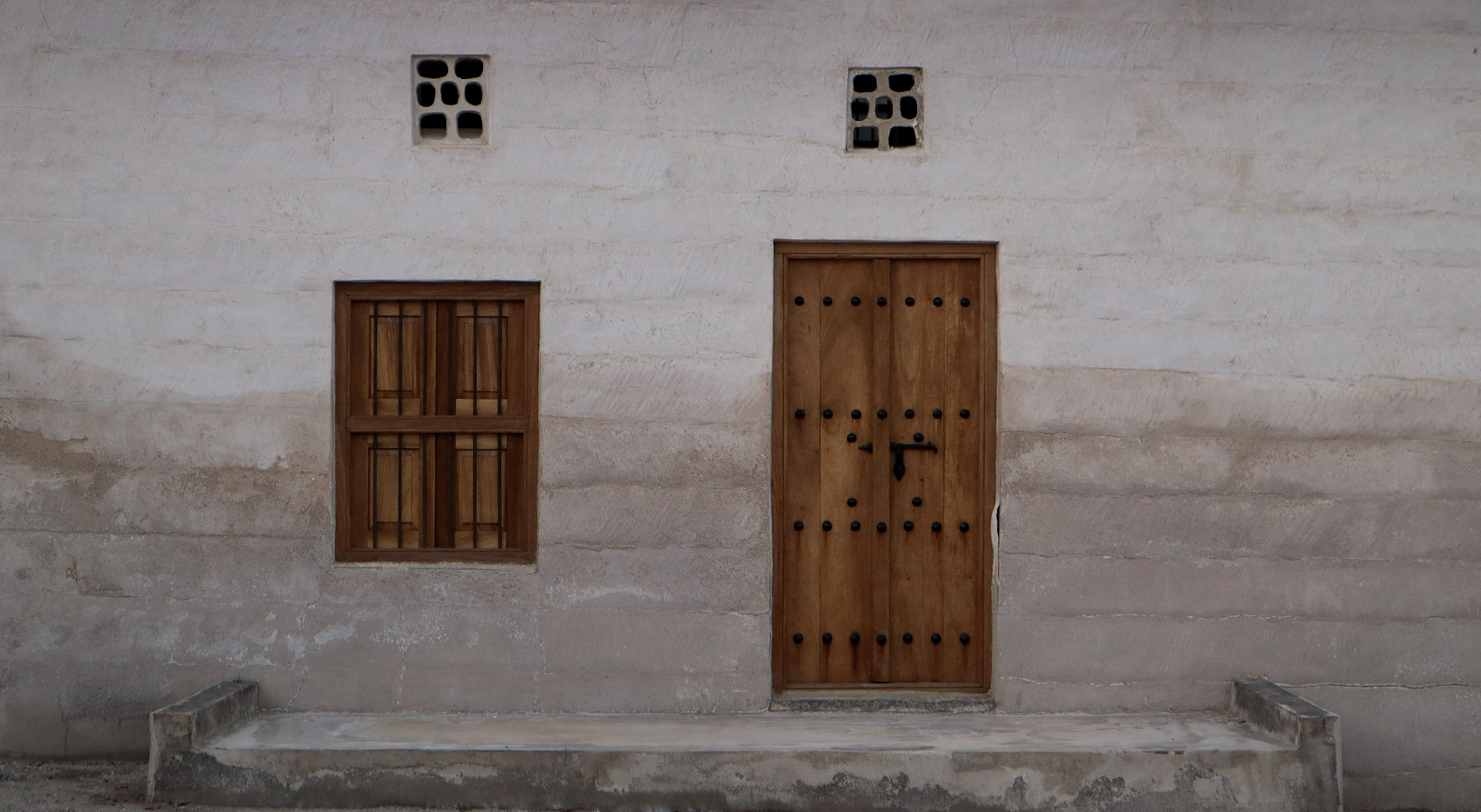
I remember the ruins, houses under maintenance, and those standalone walls with doors that opened into nothing. And there was a tree I regret not taking a picture of. It didn’t feel like decoration. It was probably a ghaf, mature and massive. It felt like proof that life had been here, and that it had seen the days when people actually lived in this place.
Someone Else Looking Back
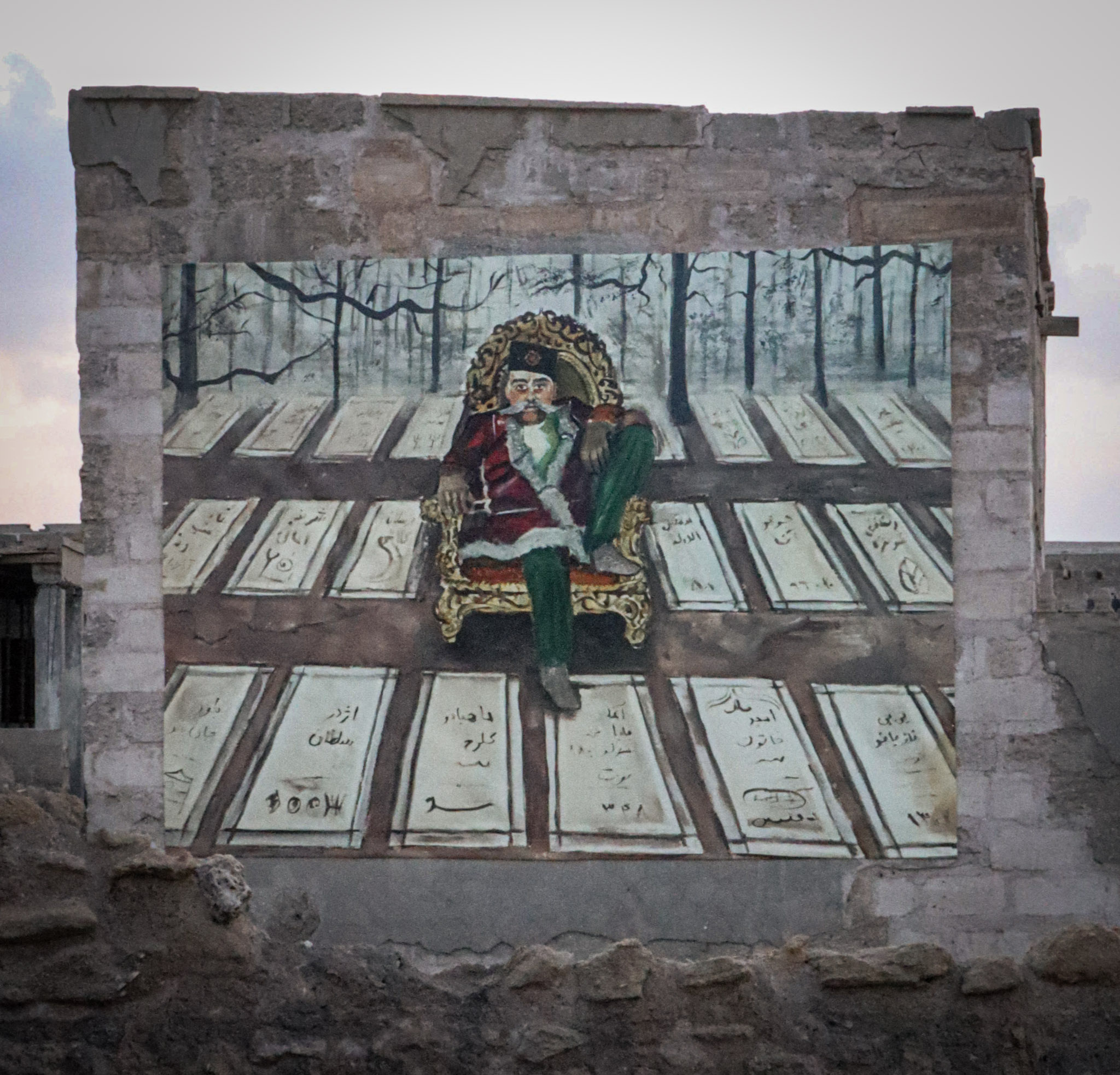
While I was walking through coral walls and empty houses, suddenly there was someone staring back at me from a different world. An image of a man sitting on a throne, with rows of graves beneath him. And another of a girl with Asian eyes, wearing fur.
To be honest, it felt out of context, and it still does. A village that lost its people now has someone, not of them, looking back
I left this place, too, untouched by any spirits. Yet while walking through it, you feel that even with the effort to modernize it for tourism, something about its history hasn’t fully left. You don’t need an old tree to prove that. It’s something your soul notice, not something you can point at.
But I also left thinking about how beautiful the UAE is, and how overlooked some places here are.
We don’t have to be Topkapi, tied to one version of the past. And our ruins don’t have to look like Rome to matter. What we have looks like us. Mixed, layered, shaped by our history, our struggles, and the different cultures within it.
And somehow, that makes sense.
No Comments