
26 May “Back to Reality”: Why Do We Say It?
On my way to Malaysia back in April, I was sitting with my trip companion near the airport gate, when a man suddenly approached us and started complimenting Dubai.
After a few questions were exchanged, we found out that he was in transit. He had just come from a trip with his girlfriend, and now it was time, as he said, “to go back home, make more money, and meet her again.”
My companion asked, “Back to reality, eh?”
The man shrugged, with a kind of surrender.
“Back to reality.”
I blanked out there. I got pulled into my thoughts, as I usually do when something hits a nerve.
I started thinking about that phrase, “back to reality,” and how often we use it when the weekend is over, when the trip ends, when the beautiful days are done.
But why do we call that return “reality”?
Why is routine reality, but the days that make us feel alive are treated like a temporary escape?
Why can’t beauty and work exist in the same life, instead of being treated as two separate worlds, between which we move back and forth?
I did not have an answer then.
But somehow, that question followed me through KL. Almost everywhere I went, a small fragment of an answer appeared.
And this is what I found.
(1) Repetition Makes Reality Feel Real
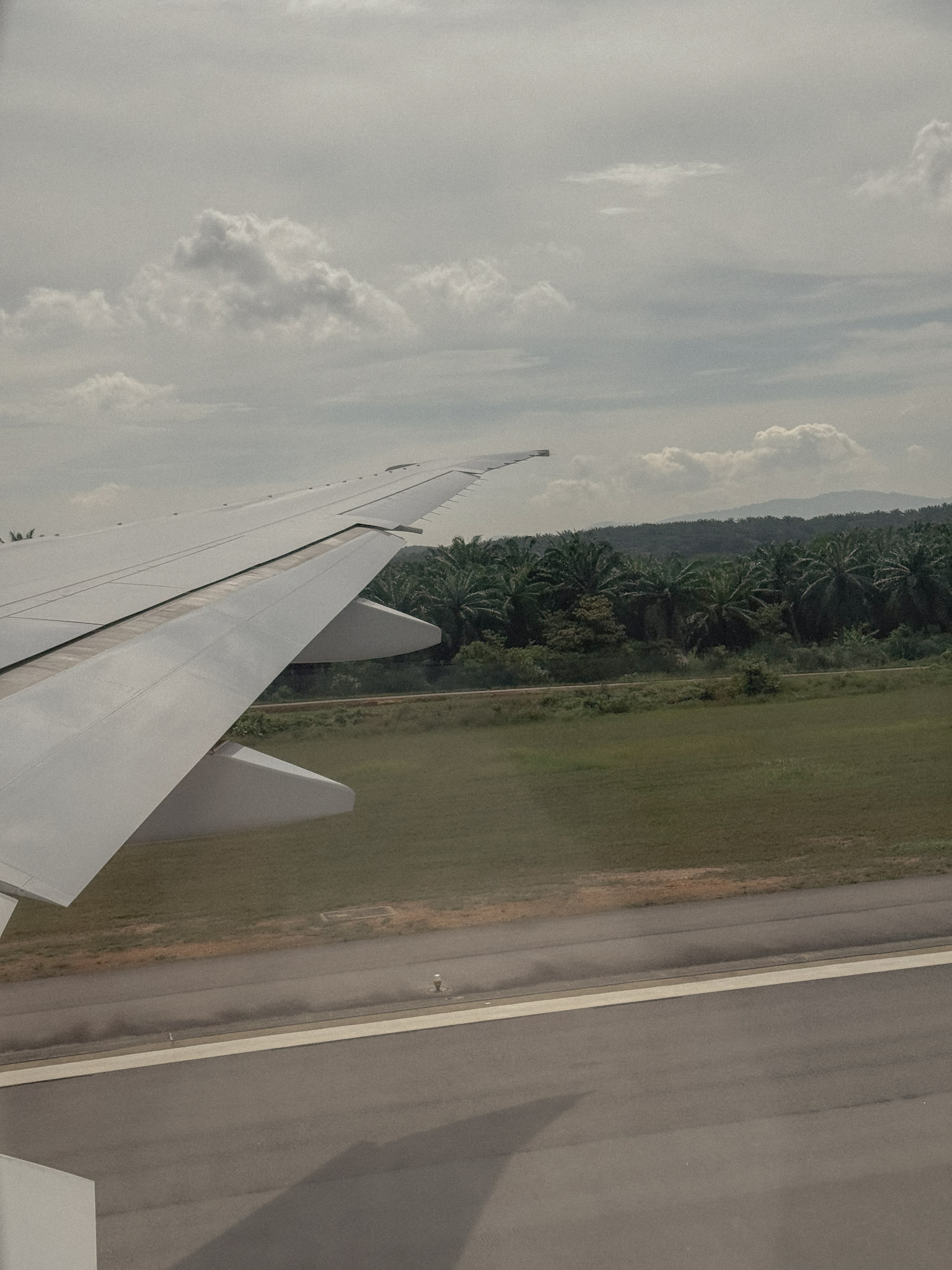
Before the trip, I had been getting small waves of panic about riding the plane. It had been a few years since my last flight, and many things had happened in between, so trusting an aircraft with my life suddenly felt like too much for my nervous system.
At the airport, the panic got stronger, to the point where I almost cancelled the trip. Then it hit me that a plane is not that different from a car. Both can crash. Cars probably crash more often. But I have seen cars working enough times that I stopped treating them as a real risk. A plane, on the other hand, is something I do once every year or two, so it started to feel alien.
Deep down, I know both run on systems, laws, physics, and people doing their jobs. They just do it differently. But one is familiar enough for me to feel almost in control, while the other is unfamiliar enough to make me feel exposed.
And maybe reality works in a similar way. The life we repeat the most starts to feel more controllable and more predictable. We become trained to recognize it, move through it, and trust it, even when it can go wrong too. Anything outside it can feel unreal, not because it is impossible, but because we have not seen it work often enough.
Maybe we have to expose ourselves to different dynamics, patterns, and unfamiliar ways of moving through life before we can start believing that other realities are possible.
(2) The Fear of What Could Go Wrong
When we made it to the hotel, we found out there was a mistake in the booking. The kind of mistake that makes you wait in the lobby for a few hours, pretending you are relaxed while clearly checking the time every few minutes.
I couldn’t stop thinking of the booking mistake as another example of how anything can go wrong, even the realities we think we have under control. Not like a crashing car or a falling plane, but in a much smaller and more ordinary way.
And maybe this is one of the reasons realities keep reinforcing themselves. Any attempt to change, or break out of the usual, makes us exaggerate what could go wrong, so we cancel the trip, the plan, or anything that could have exposed us to different dynamics, and therefore different possible realities.
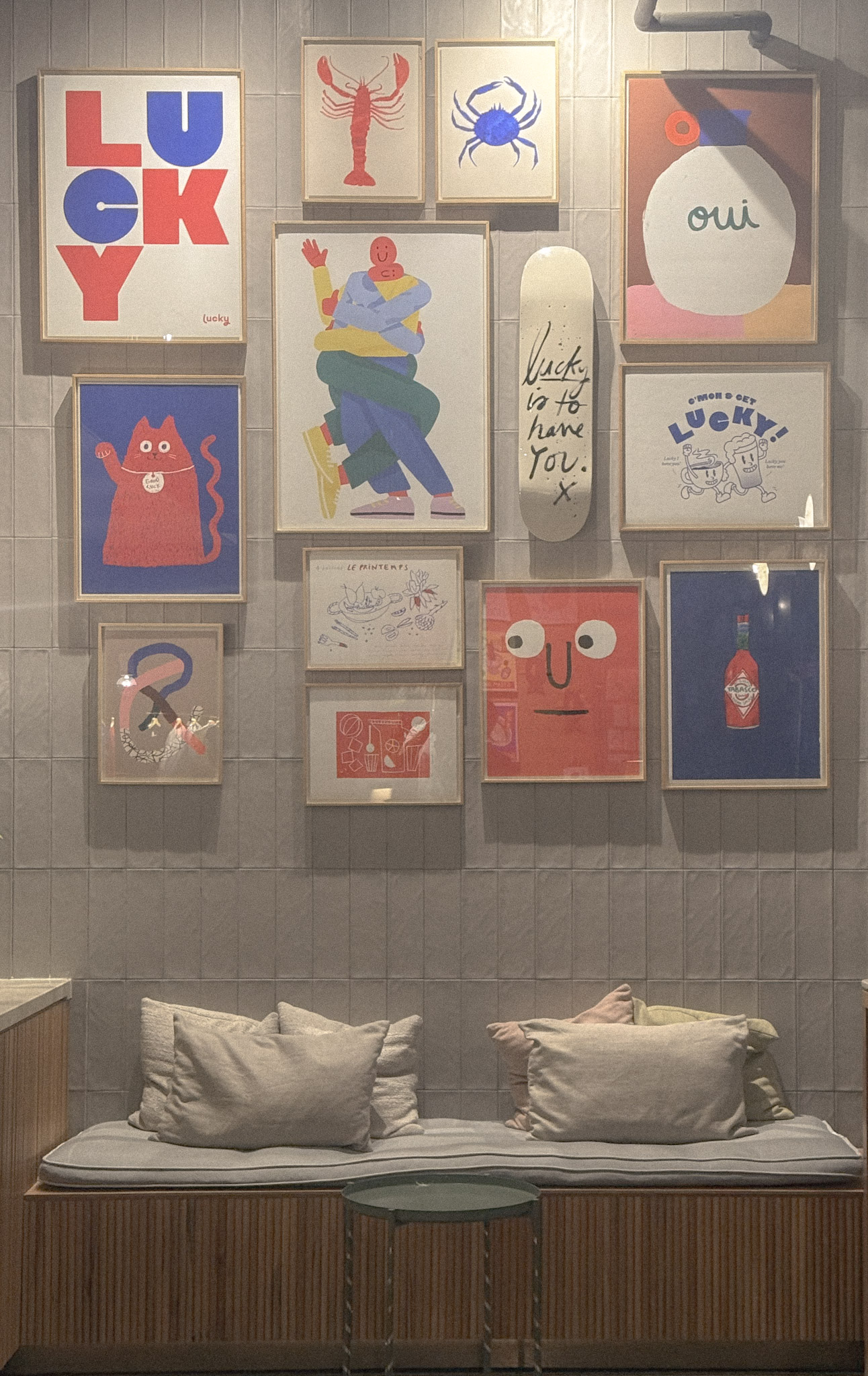
In our case, the mistake did not ruin the trip. It led to experiencing four rooms with four different tastes.
Maybe a plan going off is not something that has gone wrong, but probably.. right!
(3) What Reality Is Supposed to Feel Like
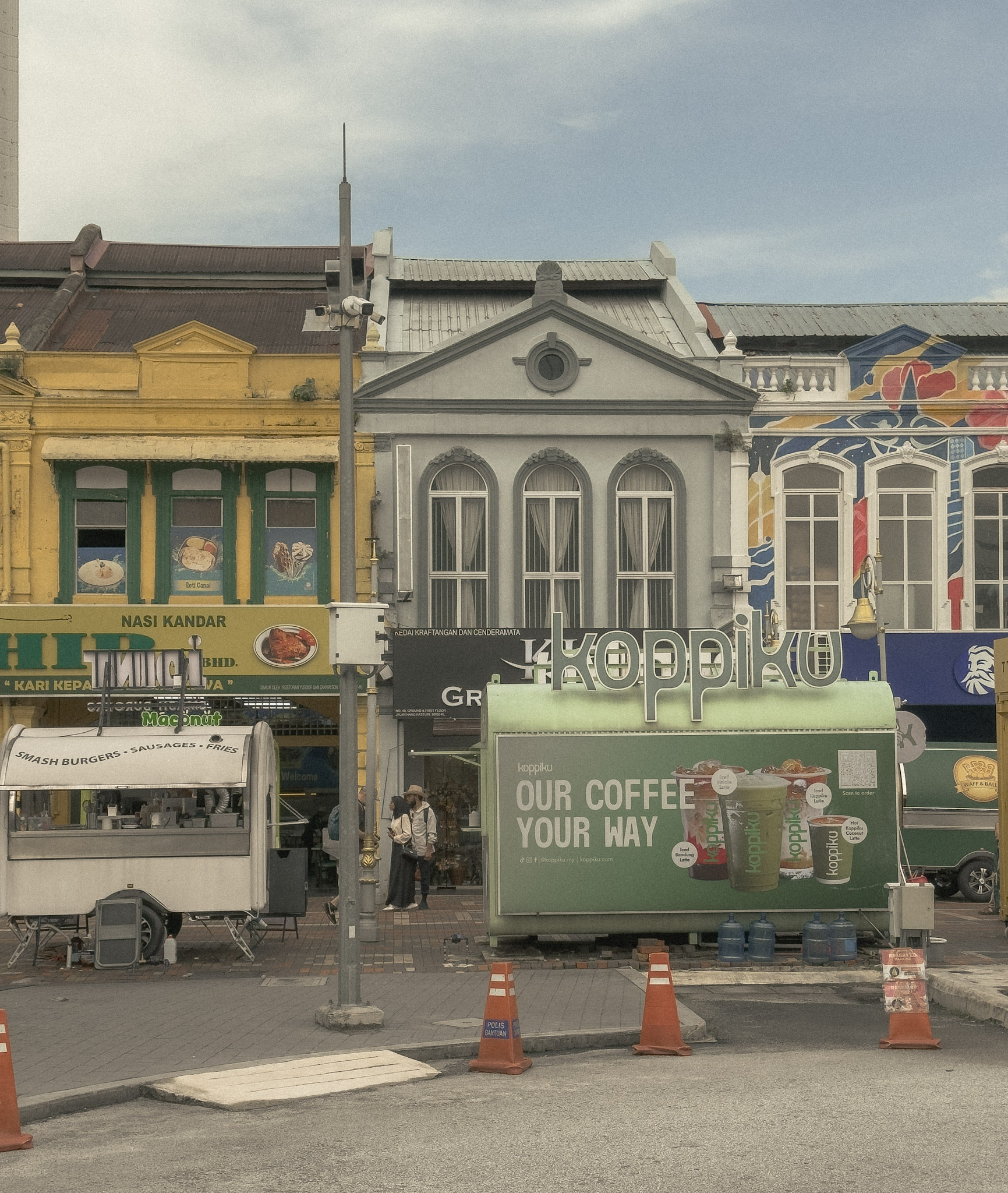
Petaling Street, Jalan Alor, and Central Market were on the list because, of course, they are tourist places. So before you even get there, you adjust yourself to the idea that this should feel fun, exploratory, and like the kind of thing people do when they travel.
But at Petaling Street specifically, just as I reached my market-tolerance threshold and was about to complain, “I’m not here for this,” we came across Kwai Chai Hong. It felt different from the market around it. Smaller, more intentional, and less like a place trying to sell me something.
And suddenly my heart lit up again. I thought, this is what I am here for.
That contrast made me realize how much I had been trying to enjoy the version of the place I was supposed to enjoy. It made me notice how often we force a reaction to certain places, plans, or realities just because they are supposed to feel a certain way. Then, when we feel the opposite, we label it as ingratitude, bad attitude, or overthinking, instead of asking what that reaction is trying to tell us.
Maybe routine and work feel like “reality” because this is what we were taught to recognize as real. And maybe that is why the things that actually move us often feel like a break from life, instead of part of it.
(4) Not Everything Repeated Was Chosen
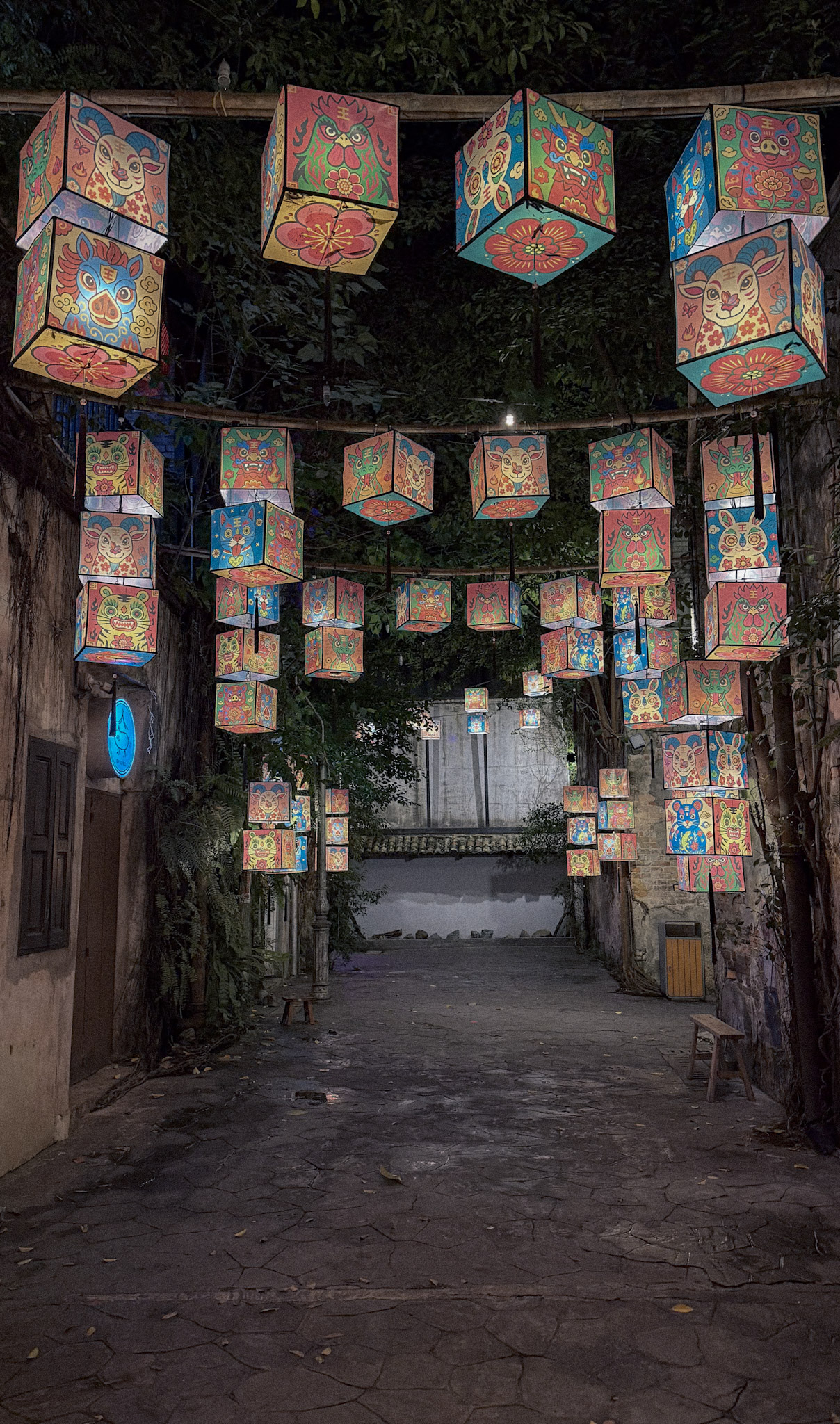
Inside Kwai Chai Hong, there was an old man with a karaoke machine, singing what was probably a Chinese song. Someone told us, “He sings the same song every day.”
I almost judged him for that. Returning to the same corner every day, singing the same song.
But then I thought, don’t we all do that?
Maybe what I judged in him was not really him. Maybe it touched something I recognized in myself: the song I keep repeating, but do not always feel happy with.
His song was literal. Mine is work, emails, money, responsibility, plans, routines, and the whole performance of what we call reality.
But if the song is his, if he chooses it, and if it gives something back to him, then what does my judgment matter?
Maybe the problem is not repetition itself. Maybe the problem is repeating something we did not really choose, then calling it reality because everyone else recognizes the tune.
(5) What Is Asked of Us Comes First
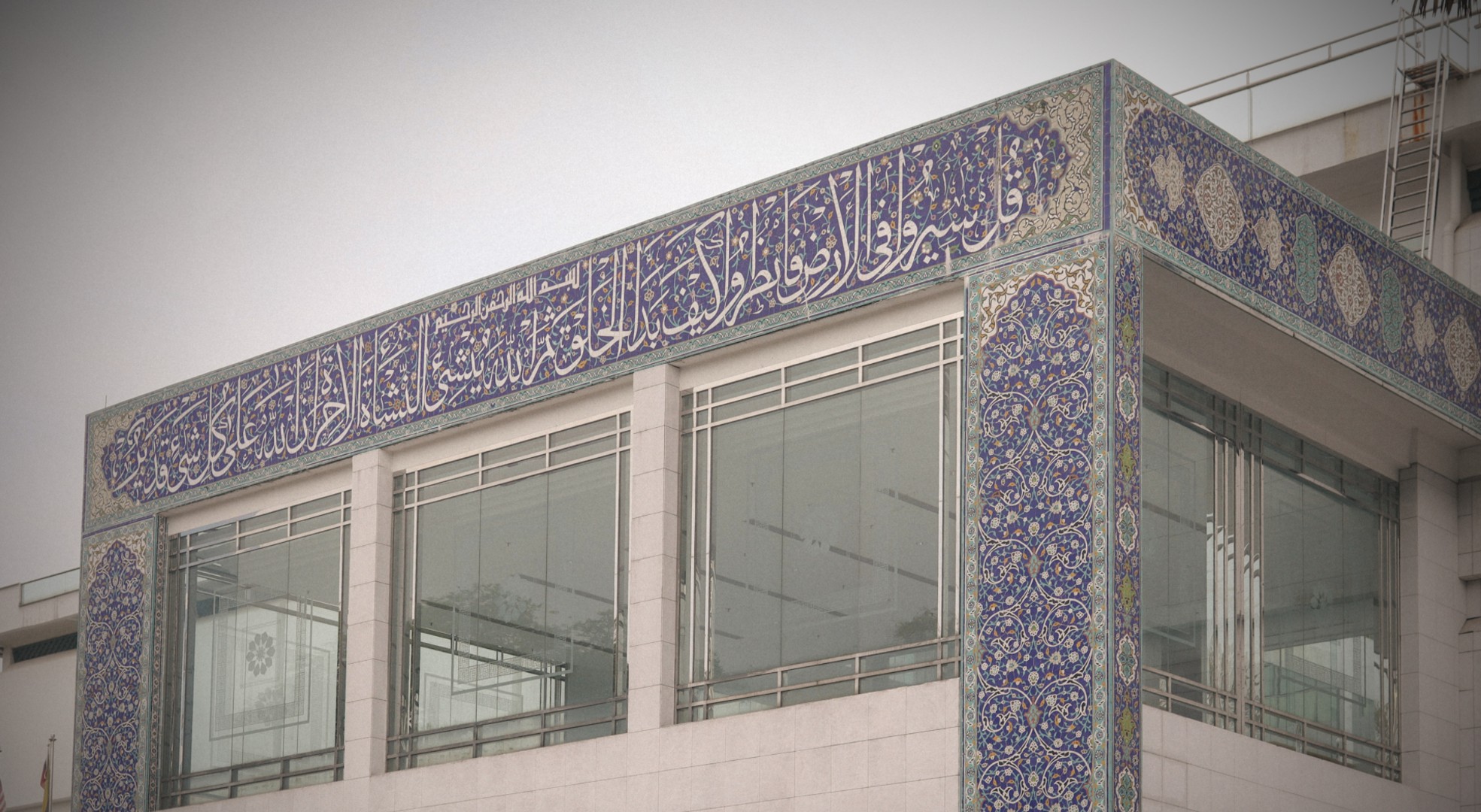
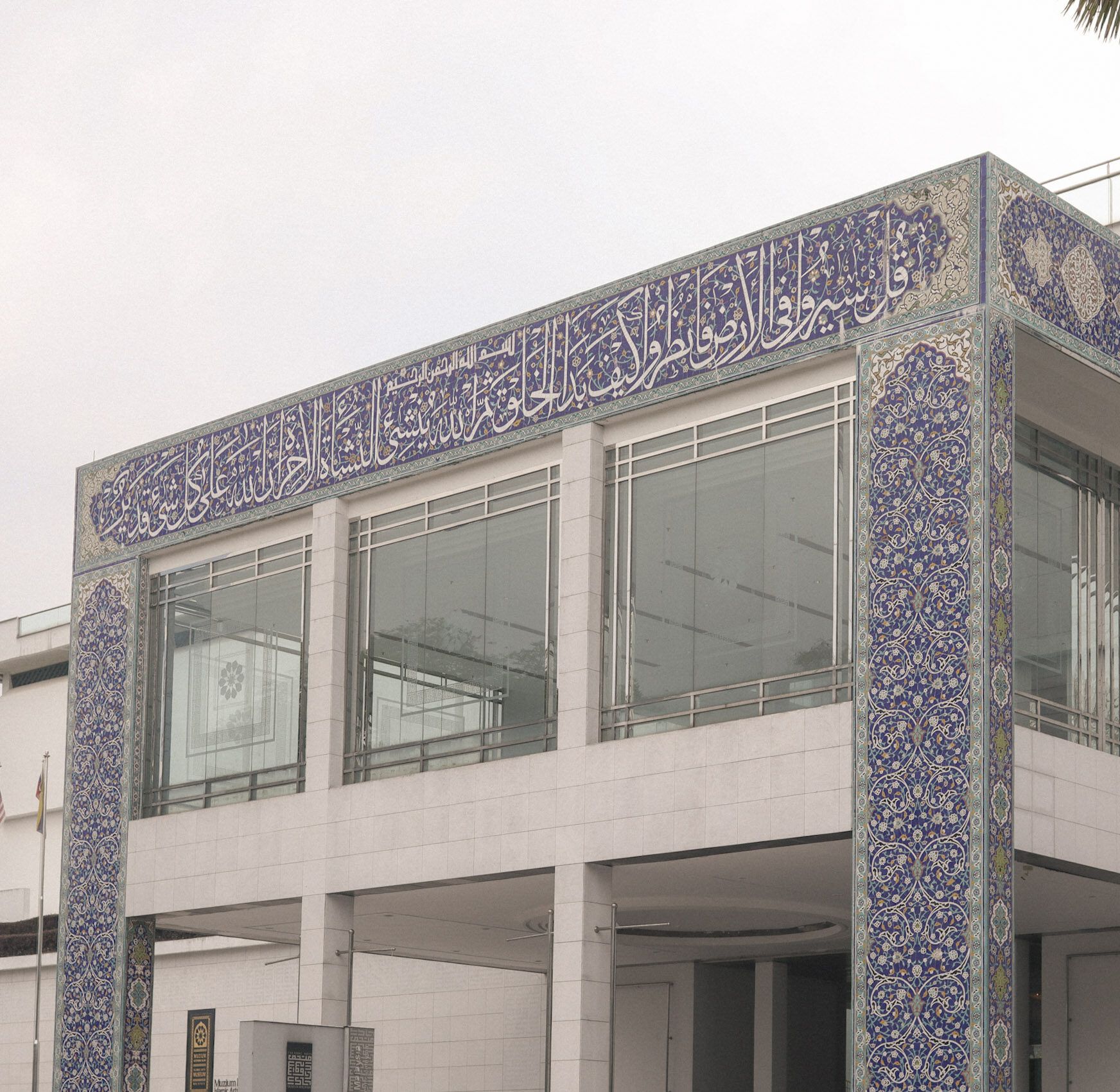
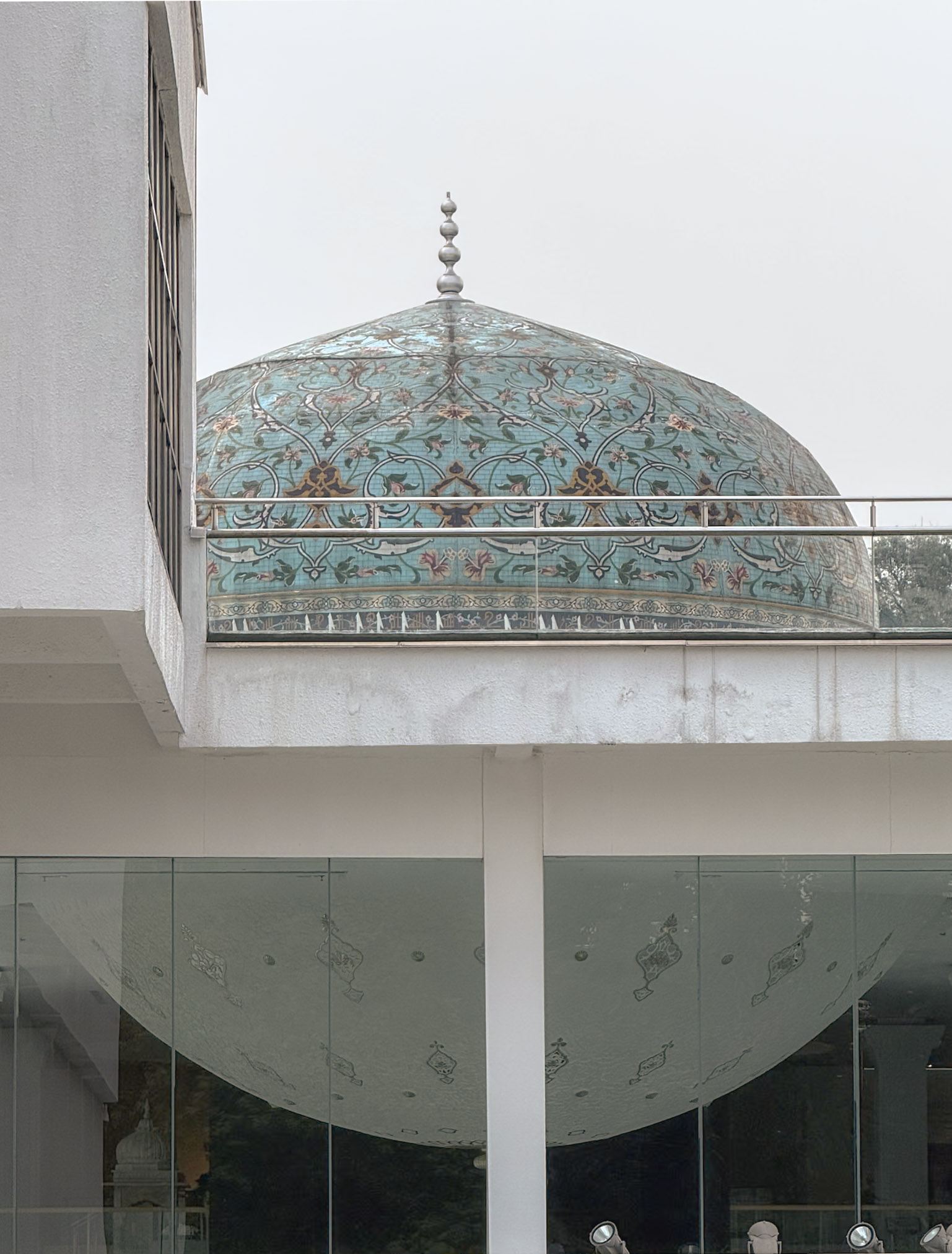
Somewhere inside the Islamic Arts Museum, I came across a section about a day in the Mughal court. A king’s day did not begin by rushing straight into the matters of life. It began with the Qur’an, prayer, reflection, gardens, beauty, and only then did the affairs of power and responsibility begin.
A day that begins with beauty as a baseline, not as an escape.
Of course, one could say that it is easy when you are a king. But who said only kings can prioritize beauty? One does not need a jali or a zenana to begin the day with a connection to God. One does not need a garden viewed from a grand balcony. Sometimes, a simple window, an early hour, and the sunrise are enough.
But we often prioritize everything that makes us useful to others first. We rush into tasks, messages, work, duties, and the things that eventually get us paid, then leave what we want from the world for whatever energy remains.
And maybe arranging reality begins there. Not by escaping responsibility, but by refusing to let responsibility be the first reality that touches the day.
(6) The Stories That Make Us Feel Seen
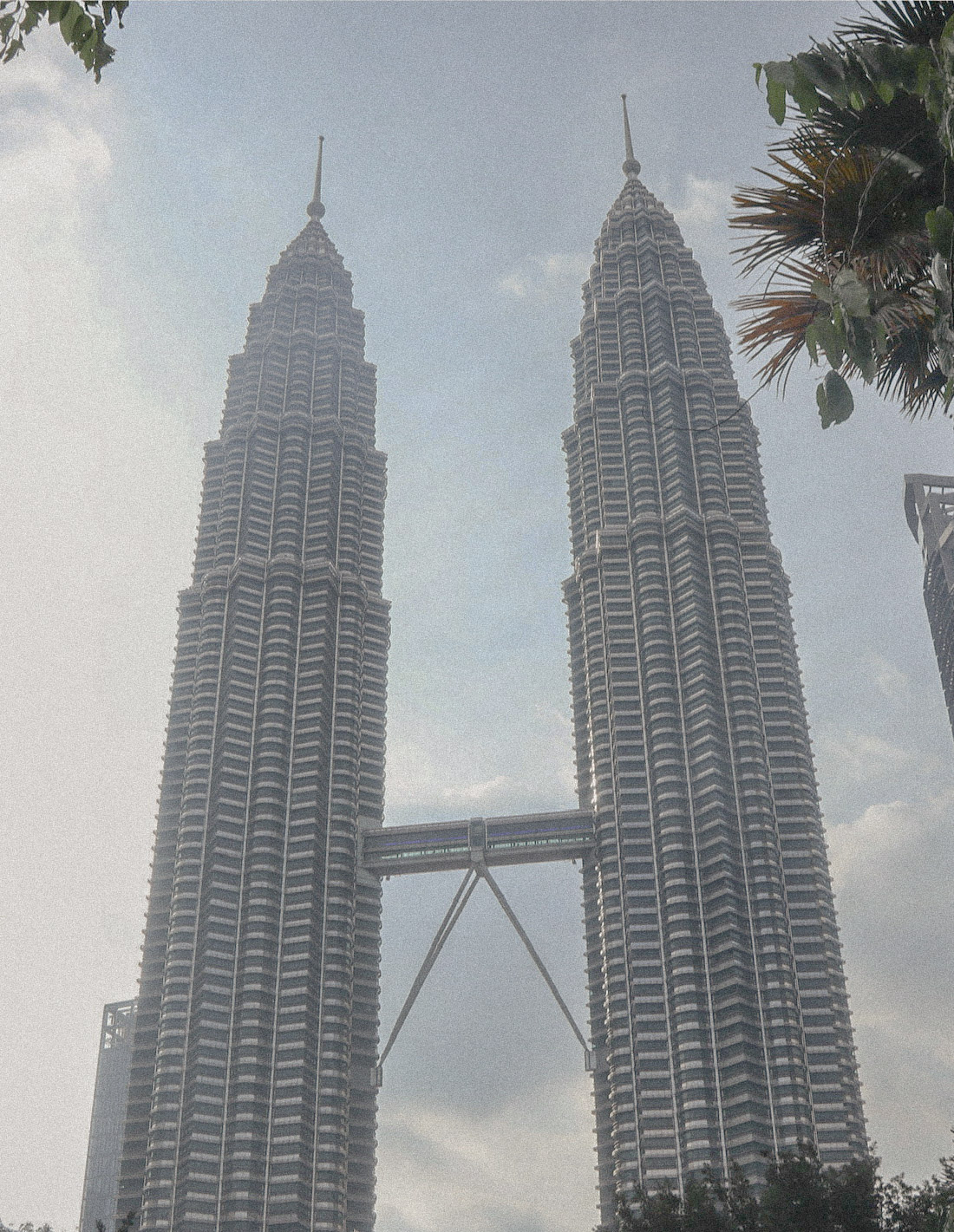
At KLCC Park, there was a man who kept looking at us and smiling, until eventually he approached and said, “You have a strong aura and a blessing from your mom.”
I laughed a little and said, “How did you know?”
He said, “I also know that July is going to be your lucky month.”
I wanted to believe him. Very much. But in a split second, I recognized the dynamic. A sentence general enough to fit many people, but personal enough to make me feel chosen. And because I wanted that recognition, I almost became ready to hear the rest.
It reminded me of a relationship where I kept paying for the story to continue. Not with money, but with attention, waiting, explaining, and trying to be chosen again.
With the aura man, the price was money. In that relationship, the price was much harder to name.
There is nothing wrong with wanting to feel seen. The problem starts when that feeling makes you trust the whole story too quickly.
Maybe this is another way we end up choosing certain realities. Not because they are right for us, but because they recognize something in us before we have learned how to recognize it ourselves.
(7) Change Does Not Have to Be That Big
There is a belief in Islam that after praying the obligatory prayer, it is better to move and pray the sunnah in a different spot.
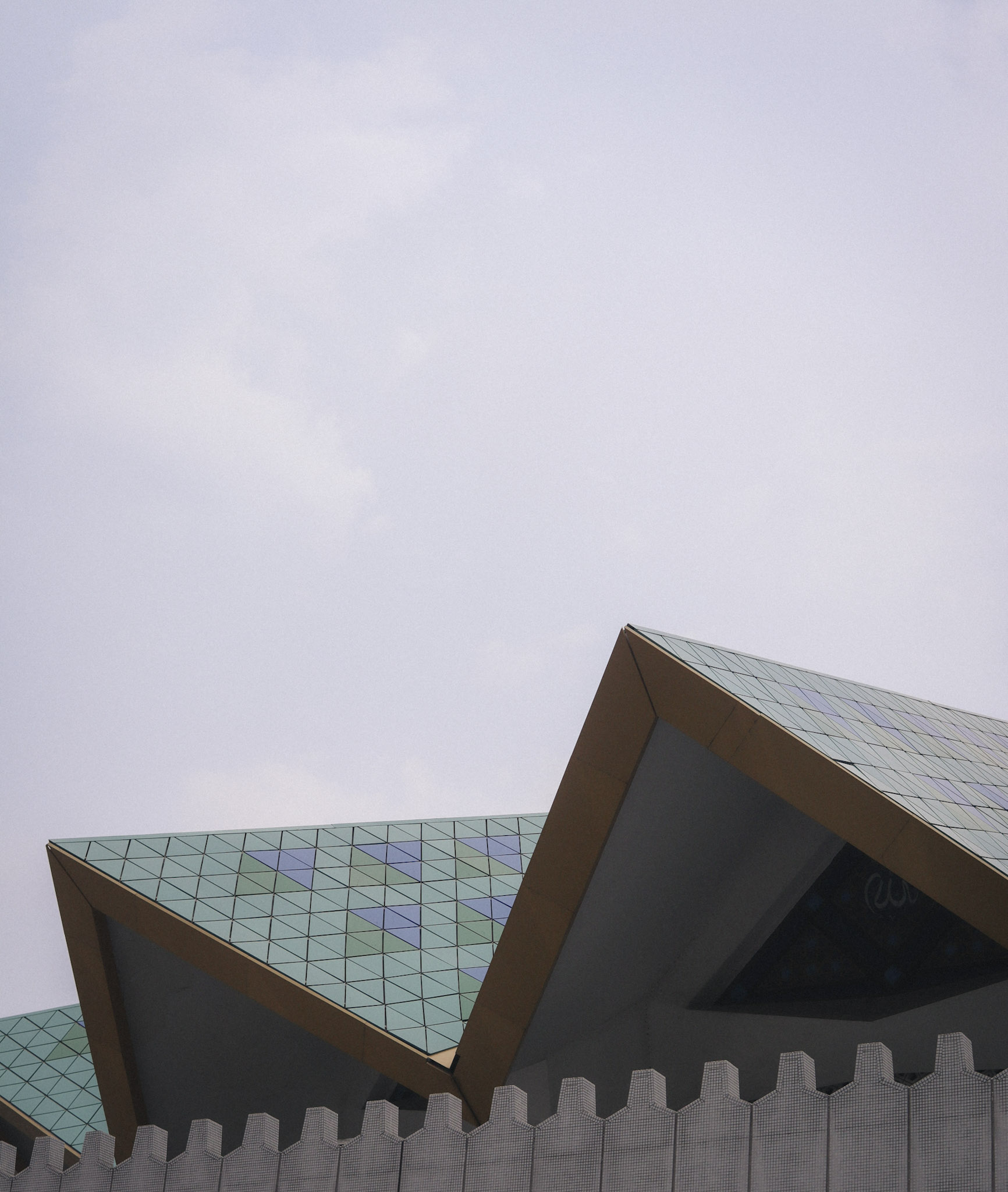
At the National Mosque, that thought came back to me more strongly. Maybe because the movement felt bigger this time. It was not just a few steps inside a mosque, but prayer in a different country.
And I thought about how accessible change can be. Sometimes it is not about leaving everything we know. Sometimes it begins with a small movement inside the same act. You finish one prayer, move a little, and begin again.
Maybe one reason we do not change the realities we dislike is because we imagine change as something too big. But sometimes it is much simpler than that. We notice where we are standing, what we keep repeating from the same place, and what might become possible if we moved even slightly.
Back to Reality
And then it was time to go back.
To reality?
I wish I could say I had something noble in my head. That I was returning with a clear decision, a new way of living, or at least one sentence worth underlining.
Because honestly, all I was thinking about was the lecture I had to prepare for the next day, and the fact that I had not prepared it.
Apparently, reality was already waiting.
Or perhaps one reality I had practiced for too long still had enough weight to interrupt any thought I had about another.
But maybe that was the point. Reality does not change just because we think about it once, or because a trip gives us a few good metaphors. It changes when we start noticing what we keep repeating, what we keep calling normal, what we keep postponing, and what we keep treating as an escape.
So no, I did not come back with a new life.
I came back with a question that was harder to ignore.
If reality is what we keep returning to, then what am I returning to because I chose it, and what am I returning to because I repeated it for too long?
No Comments